Yemen's Houthis Are Redrawing the Map Saudi Arabia Thought Was Settled
The Houthis' renewed push against Saudi-backed forces threatens to unpick years of quiet de-escalation across the Gulf.
The Houthis are fighting hard again. The New York Times reports fierce clashes this weekend between the Iranian-backed militia and Saudi-backed government forces, as the group tries to hold momentum and expand the territory it controls.
That sentence contains a lot of geography that matters more than it might first appear.
What the ceasefire was actually buying
Since 2022, Saudi Arabia and the Houthis have mostly avoided open warfare, not because either side disarmed but because Riyadh decided the war was unwinnable at an acceptable cost and Tehran decided a live front in Yemen was more useful as leverage than as a battlefield. The quiet has let Saudi Arabia get on with the parts of its regional strategy that need calm borders: hosting investment conferences, talking to Iran directly, building out Vision 2030. A Houthi push to expand territory now isn’t just a local border skirmish — it tests whether that bargain still holds, or whether the group has decided the ceasefire has run out of usefulness now that it controls the population centres it needs and wants more.
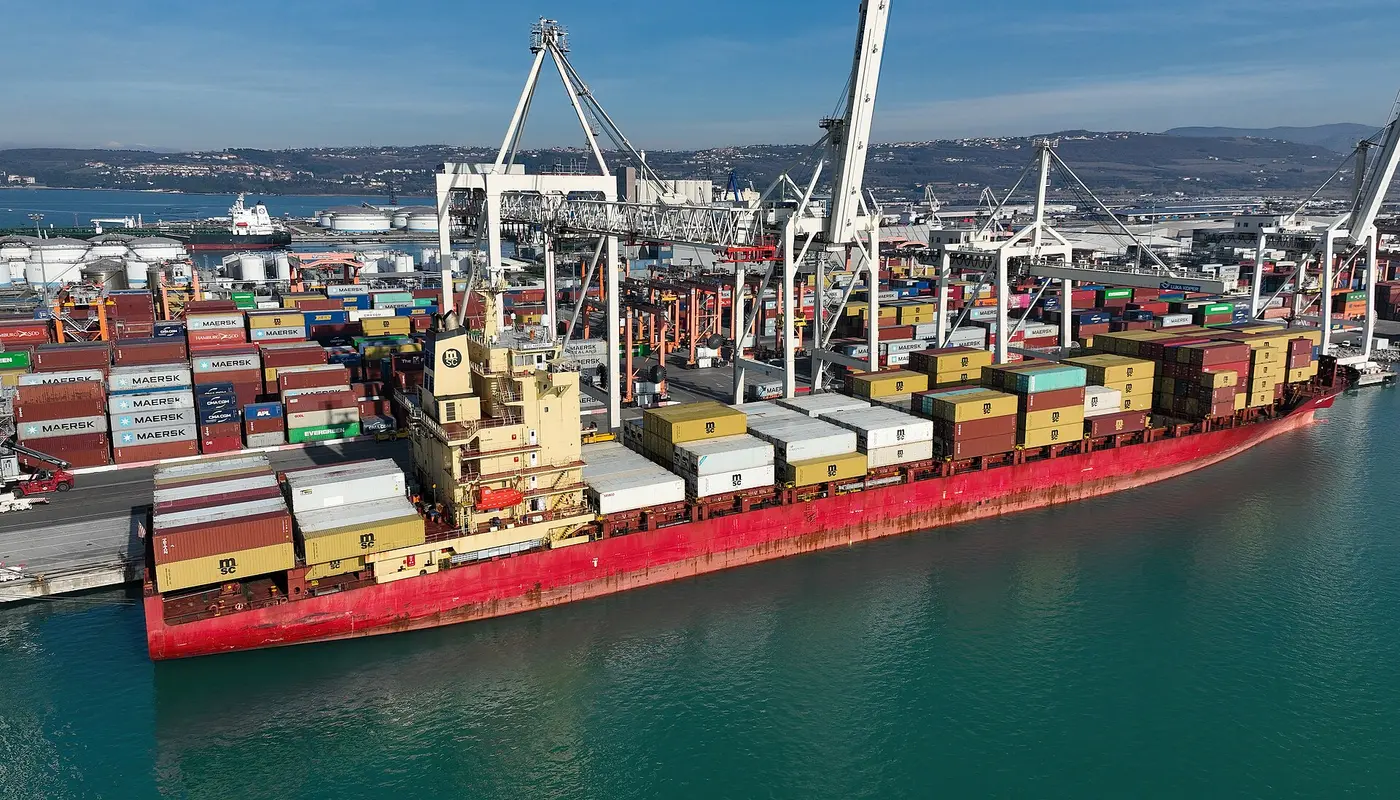
The stakes are not abstract. Yemen sits on the Bab el-Mandeb strait, the chokepoint between the Red Sea and the Gulf of Aden through which a large share of European-bound trade passes. Houthi attacks on shipping over the past two years have already forced insurers and shipping lines to reroute around southern Africa at real cost. A land war that draws Saudi Arabia back in fully, or that gives the Houthis reason to escalate at sea again, has consequences for freight rates well beyond the Arabian peninsula.
Iran’s hand, and Riyadh’s dilemma
The Houthis are Iranian-backed, but not simply Iranian-directed — Tehran supplies weapons and expertise, the group sets its own tempo. That distinction matters for how Saudi Arabia responds. Riyadh has spent recent years normalising with Tehran precisely to take the sting out of proxy conflicts like this one. If the fighting escalates, Saudi Arabia has to choose between defending its Yemeni allies militarily — reopening a costly war it walked away from — or absorbing territorial losses to protect the broader détente with Iran.
That choice is the same one sitting underneath Qatar’s call, reported separately by Al Jazeera, for a Gulf-wide security framework with Iran: the argument that none of the Gulf states can fully de-risk from Tehran’s proxies one country at a time. Yemen is the test case for whether that logic holds when a proxy actually starts winning ground.
Reported at the New York Times; Qatar remarks as reported by Al Jazeera; analysis ours.
Newsletter
A daily world dispatch
Get AtlasNews in your inbox. No spam, and one click to leave.
Every weekday morning · Unsubscribe any time. We never sell or rent your address; read the privacy policy.